
Key Takeaways
- FCL 20ft from China to Manila costs $385–$445 in Q1 2026 — LCL is charged per CBM and suits shipments under 15 CBM
- Philippines import duty is calculated on CIF value — always budget for duty + 12% VAT on top of your freight quote
- Request ASEAN-China FTA Form E from your Chinese supplier to reduce eligible goods' import duty to 0–5%
- Hidden LCL destination charges (arrastre, wharfage, CFS handling) arrive as a separate invoice — always get an all-in quote in writing
- Manila MICT port congestion can add 5–10 extra days — build a 3–4 week buffer around CNY and Golden Week shipments
Shipping from China to the Philippines is one of the busiest freight routes in Southeast Asia — and one of the most confusing for first-time importers. Between hidden destination charges, CIF-based customs calculations, and Manila port congestion that nobody warns you about, the gap between a quoted price and your actual landed cost can be enormous.
This guide breaks down every shipping method, real 2026 rates, the full customs duty formula with PHP examples, and the insider knowledge that separates a smooth import from a costly surprise. Whether you're shipping a single CBM from Shenzhen or a full container from Shanghai, here's what you actually need to know. You can also use our Shipping Route Calculator to compare modes and get an instant estimate, or check our detailed breakdown of the cheapest shipping from China to Philippines.
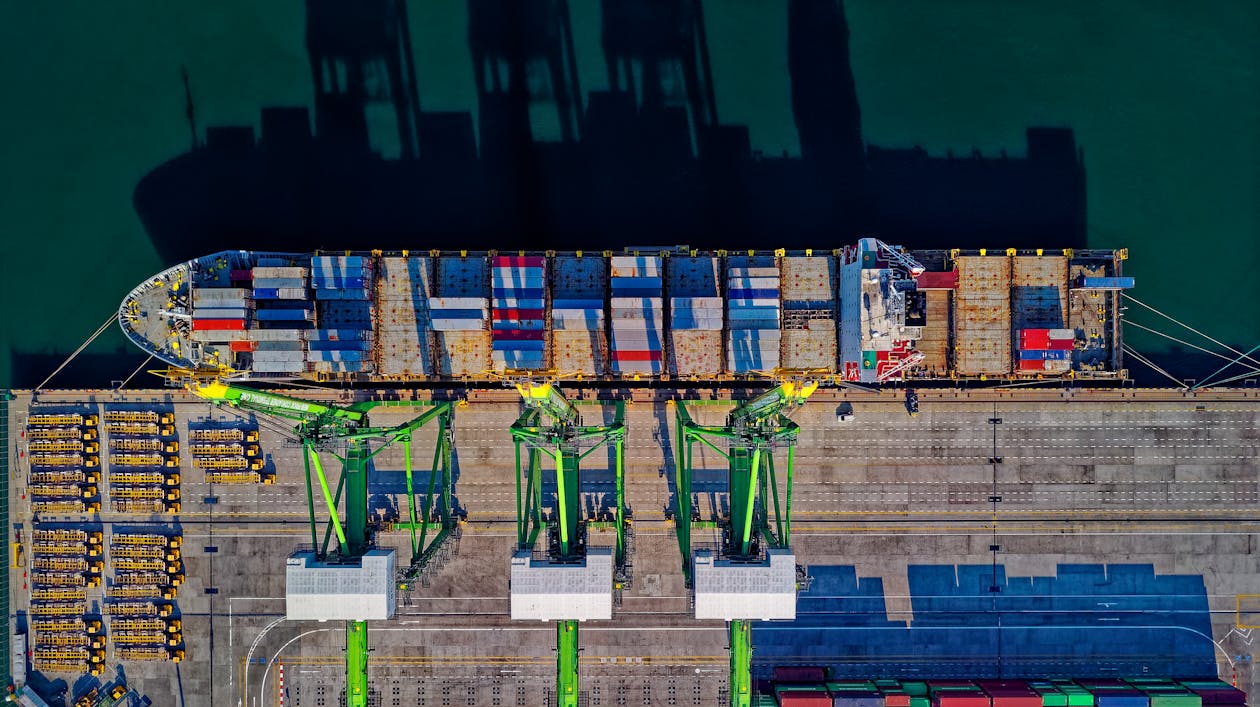
What Are Your Shipping Options from China to the Philippines?
Shipping from China to the Philippines can be done through four main methods: sea freight (FCL or LCL), air freight, express courier, and DDP (Delivered Duty Paid) door-to-door service. Each method serves a different cargo size, budget, and timeline — and choosing the wrong one is the most common mistake importers make.
Sea freight is the most cost-effective option for anything over 0.5 CBM. You can book a full container (FCL) if you're shipping 15 CBM or more, or share container space (LCL) for smaller volumes. Air freight makes sense for urgent shipments or high-value goods under 500 kg. Express couriers like DHL, FedEx, and UPS handle packages under 50 kg with door-to-door tracking. DDP shipping bundles everything — freight, customs clearance, duties, and delivery — into one price.
| Shipping Method | Est. Cost | Transit Time | Best For | Customs Included? |
|---|---|---|---|---|
| FCL Sea Freight | $385–$550/container | 7–14 days | 15+ CBM bulk cargo | No |
| LCL Sea Freight | $35–$65/CBM | 10–18 days | 0.5–15 CBM | No |
| Air Freight | $3.54–$9.68/kg | 2–5 days | Urgent, high-value, <500 kg | No |
| Express Courier | $21–$188/shipment | 3–7 days | Samples, <50 kg | Usually yes |
| DDP Door-to-Door | 27–43 RMB/kg | 8–15 days | <1 CBM, hassle-free | Yes |
Quick recommendation: Under 50 kg? Use express courier. Under 1 CBM? DDP or LCL. Over 1 CBM? Compare LCL and FCL quotes. Need it in 3 days? Air freight. The main Philippine destination ports are Manila (MICT and South Harbour), Cebu, Davao, Iloilo, and Cagayan de Oro.
How Much Does Shipping from China to the Philippines Cost in 2026?
The shipping cost from China to the Philippines depends on your cargo volume, origin port, and shipping method. Here are the real rates for Q1 2026 based on current market data.
FCL (Full Container Load) Sea Freight Rates
According to DDPChain's Q1 2026 rate data, a 20ft container from China to Manila costs $385–$445, while a 40ft container runs $450–$550. These are port-to-port rates from major Chinese ports including Shenzhen, Shanghai, Guangzhou, Yiwu, Xiamen, and Ningbo. FCL is your best option when shipping 15 CBM or more — the per-unit cost drops significantly compared to LCL.
LCL (Less-than-Container Load) Sea Freight Rates
LCL sea freight from China to the Philippines is charged per CBM. Current rates range from $35–$65 per CBM depending on your origin port and consolidation schedule. Shenzhen and Guangzhou typically offer lower LCL rates to Manila due to higher consolidation volumes.
But here's what most rate quotes don't tell you: LCL has significant destination charges on top of the origin quote. More on that in the landed cost section below.
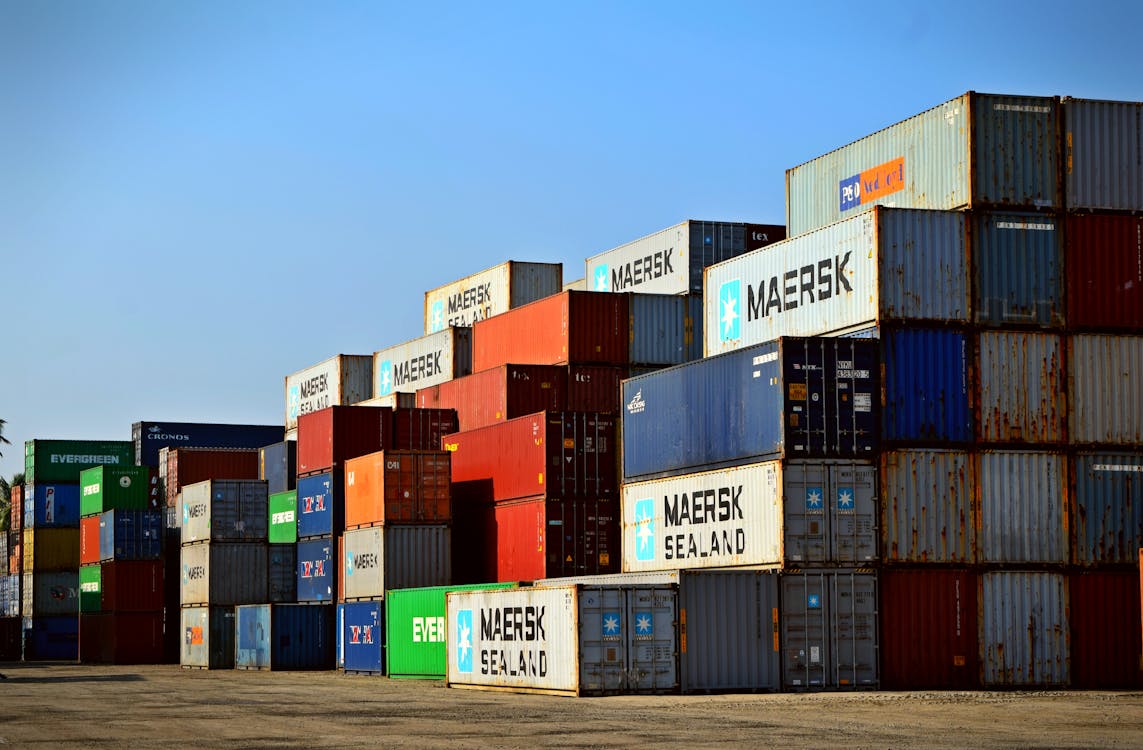
Air Freight Rates
Air freight from China to the Philippines ranges from $3.54 to $9.68 per kg depending on your origin airport. Shenzhen (SZX) to Manila (MNL) sits at the lower end, while Shanghai (PVG) to Manila tends to be higher. Transit time is 2–5 days, making air freight the right choice for time-sensitive or high-value shipments under 500 kg.
DDP Door-to-Door and Express Courier
DDP shipping from China to the Philippines — where the forwarder handles freight, customs clearance, duties, and last-mile delivery — runs 27–43 RMB/kg from Chinese origin to Manila delivery. Express couriers (DHL, FedEx, UPS) charge $21–$188 per shipment depending on carrier, weight tier, and service speed.
How Long Does Shipping from China to the Philippines Take?
Sea freight from Shenzhen or Shanghai to Manila takes 7–14 days under normal conditions. Air freight arrives in 2–5 days. Express couriers deliver in 3–7 days. DDP door-to-door typically takes 8–15 days including customs clearance and last-mile delivery.
Those are the textbook numbers. Here's what actually happens.
Manila MICT Port Congestion: The Hidden Delay
What most forwarders won't tell you is that Manila International Container Terminal (MICT) congestion regularly adds 5–10 extra days to your transit time. This is a persistent issue that importers across Reddit's r/Philippines and freight forwarding communities consistently flag as their biggest surprise. Your forwarder quotes "7–10 days" but your cargo sits at port for another week waiting for customs examination slots or container yard clearance.
If timing is critical, consider routing through Cebu or Davao port instead — both have significantly less congestion than Manila.
Peak Season Disruptions
Chinese New Year (late January–February) and Golden Week (early October) can add 2–4 weeks to your shipping timeline. Factories shut down, ports backlog, and container space becomes scarce. Practical advice: place orders and book freight at least 3–4 weeks earlier than normal during these periods.
| Method | Manila | Cebu | Davao |
|---|---|---|---|
| Sea Freight (FCL) | 7–14 days | 10–18 days | 12–20 days |
| Sea Freight (LCL) | 10–18 days | 14–22 days | 16–25 days |
| Air Freight | 2–5 days | 3–6 days | 3–7 days |
| Express Courier | 3–7 days | 4–8 days | 5–9 days |
How Is Philippines Import Duty Calculated? (CIF Formula + PHP Examples)
Philippines import duty is calculated using the CIF (Cost, Insurance, and Freight) method. The Bureau of Customs (BOC) applies the tariff rate to the total value of your goods plus insurance and freight — not just the product price. Then 12% VAT is applied on top of the duty-inclusive amount. This is the single most misunderstood aspect of importing from China to the Philippines.
Here's how to calculate it step by step:
- Step 1: Identify your HS code and tariff rate. Look up your product's Harmonized System code in the ASEAN Harmonized Tariff Nomenclature (AHTN 2022). Tariff rates range from 0% to 30% depending on the product category. Use our HS Code Lookup tool to find the correct classification before shipping.
- Step 2: Calculate CIF value in PHP. CIF = FOB price + insurance + freight cost. Convert to Philippine pesos using the current BSP (Bangko Sentral ng Pilipinas) exchange rate.
- Step 3: Apply the tariff rate. Import duty = tariff rate × CIF value. Standard rates range from 0–30%, but ASEAN-China FTA can reduce eligible goods to 0–5%.
- Step 4: Add 12% VAT. VAT = 12% × (CIF value + import duty). This is charged on the duty-inclusive amount, not just the goods value.
Worked PHP Example
Let's say you're importing electronics with an FOB value of USD 500, sea freight of $80, and insurance of $10.
| FOB value | USD 500 |
| Freight + Insurance | USD 90 |
| CIF value (USD) | USD 590 |
| CIF value (PHP at 57/USD) | PHP 33,630 |
| Import duty (10% tariff) | PHP 3,363 |
| VAT (12% on CIF + duty) | PHP 4,439 |
| Total customs charges | PHP 7,802 |
That's PHP 7,802 in customs charges alone — roughly 23% on top of your CIF value. This is before any port handling fees, customs broker fees, or last-mile delivery costs.
De minimis threshold: Shipments with a CIF value below PHP 10,000 sent via express courier are exempt from formal customs entry and import duties. This does not apply to sea freight or air cargo shipments — those always require formal customs clearance regardless of value.
What Is Your True Total Landed Cost from China to Manila?
This is where most importers get burned. Your freight quote is just one piece of the puzzle. The total landed cost includes origin freight, destination port handling, customs duty, 12% VAT, and last-mile delivery. And the biggest surprise? LCL destination charges often arrive as a completely separate invoice after your shipment has already landed.
This is the number one pain point we see across importer communities — from Reddit threads in r/Philippines to Quora questions about Alibaba shipping costs. Importers get a quote for "$45 per CBM" and think that's their total sea freight cost. Then they receive a second bill for destination terminal handling charges (DTHC), CFS handling, arrastre, and wharfage that can equal or exceed the original freight quote.
Manila Port Handling Fees (Typical Range)
- Arrastre: PHP 400–1,200 per shipment
- Wharfage: PHP 200–600 per shipment
- BOC examination fee: PHP 500–2,000 (if your cargo is selected for inspection)
- Customs broker fee: PHP 3,000–8,000 per entry
- CFS handling (LCL only): PHP 1,500–4,000 per CBM
- Total destination charges estimate: PHP 5,000–15,000 per shipment
Worked Example: 1 CBM Shipment — LCL vs DDP
| Cost Component | LCL (Port-to-Port) | DDP (Door-to-Door) |
|---|---|---|
| Origin freight | PHP 2,850 ($50/CBM) | Included |
| Destination charges (DTHC, CFS, arrastre) | PHP 4,500 | Included |
| Customs broker fee | PHP 5,000 | Included |
| Import duty + 12% VAT | PHP 7,802 | Included |
| Last-mile delivery (Manila) | PHP 1,500 | Included |
| Total landed cost | PHP 21,652 | PHP 18,000–22,000* |
*DDP rates vary by weight and commodity. Based on 27–43 RMB/kg for a typical 150 kg/CBM shipment.
The takeaway: For shipments under 1 CBM, DDP is often cheaper than LCL once you add up all the destination charges, customs broker fees, and last-mile costs that weren't in the original quote. The difference isn't the freight — it's the 5–6 line items that appear after your cargo lands.
How to Get a Transparent All-In Quote
When requesting quotes from any freight forwarder, always ask these questions in writing:
- Does the quote include destination terminal handling charges (DTHC)?
- Are arrastre and wharfage fees included?
- Is customs brokerage included, or is that a separate charge?
- Does the quote cover import duties and VAT, or will those be billed separately?
- Is last-mile delivery to my address included?
If a forwarder can't answer all five in writing, that's a red flag.
How Do You Save on Import Duties with the ASEAN-China FTA Form E?
Here's something no top-ranking competitor article covers: you can legally reduce your Philippines import duty to 0–5% on eligible goods using the ASEAN-China Free Trade Agreement (ACFTA). This isn't a loophole — it's an established trade agreement between ASEAN member states and China that most importers simply don't know about.
The ASEAN-China FTA (also called ACFTA) and the Regional Comprehensive Economic Partnership (RCEP) both cover Philippines-China trade. If your goods qualify, the tariff reduction can be substantial.
How to Get a Form E Certificate of Origin
- Check eligibility. Your goods must meet the Rules of Origin — typically 40% ASEAN/China value-added content. Most manufactured goods from China qualify.
- Request Form E from your Chinese supplier. The supplier applies through their local China Council for the Promotion of International Trade (CCPIT) office. Allow 2–3 business days before shipment.
- Include Form E with your shipping documents. Your customs broker in the Philippines submits it to BOC along with the commercial invoice, packing list, and bill of lading.
- BOC applies the preferential tariff rate. Instead of the standard MFN (Most Favored Nation) rate, your goods clear at the ACFTA preferential rate — often 0% or 5%.
ACFTA vs RCEP: Which Should You Use?
Both agreements reduce duties, but they cover different product categories at different rates. As a general rule: check the ACFTA rate first (it's usually lower for common import categories like electronics, textiles, and machinery). If your specific HS code isn't covered under ACFTA, check RCEP as a fallback — it has broader product coverage but sometimes higher preferential rates.
Real savings example: A standard 10% tariff rate on electronics drops to 0% with a valid Form E. On a PHP 33,630 CIF shipment, that's PHP 3,363 saved in import duty alone — plus reduced VAT since VAT is calculated on the duty-inclusive amount.
What Documents Do You Need? (Plus: BOC Accreditation for First-Time Importers)
Documentation errors are the single fastest way to get your cargo held at Manila port. According to importer communities on YouTube and Reddit, paperwork issues cause more delays than port congestion. Here's your complete checklist.
Required Shipping Documents
- Commercial invoice — with FOB value, quantity, and HS code for each item
- Packing list — detailed weight and dimensions per carton
- Bill of lading (sea) or airway bill (air) — issued by the carrier
- Certificate of origin — Form E if claiming ASEAN-China FTA preferential rate
- Import permit — required for restricted commodities (food/DA, pharma/FDA, electronics/NTC)
Do You Need BOC Accreditation?
This is the question that comes up most in YouTube tutorials and Quora threads about importing to the Philippines. The answer depends on your shipping method:
- Express courier shipments under PHP 10,000 CIF: No accreditation needed. These clear under informal entry.
- Sea freight or air cargo (formal entry): Yes, you need BOC accreditation as an importer.
- DDP shipments: Your forwarder handles customs clearance under their own accreditation — you don't need your own.
Step-by-Step BOC Accreditation Process
- Register online through the BOC eDOCS system (Electronic Document Processing System)
- Submit required documents: business registration (SEC/DTI), TIN, mayor's permit, and sample commercial invoice
- Attend BOC interview — scheduled after document review
- Receive CPRS (Client Profile Registration System) accreditation — typical timeline is 2–4 weeks from submission
HS code accuracy warning: Getting your HS code wrong doesn't just mean paying the wrong tariff rate — BOC can reclassify your goods and apply retroactive duty adjustments. This is a real risk that catches even experienced importers. Always verify your classification using an HS Code Lookup tool before shipping.
DDP vs Port-to-Port: Which Is Actually Cheaper for Manila Importers?
This is the most debated question in every Philippines import community — from Reddit to TikTok to LinkedIn B2B discussions. The answer isn't as simple as comparing the headline price.
Port-to-port shipping gives you a lower quoted price, but you bear the full burden of customs brokerage, arrastre, wharfage, BOC examination fees, and last-mile delivery. You also need your own BOC accreditation. If anything goes wrong at customs — a documentation error, an HS code dispute, a cargo examination — you're coordinating between your forwarder, your broker, and BOC yourself.
DDP (Delivered Duty Paid) shipping has a higher headline price, but it's genuinely all-inclusive: freight, customs clearance, import duties, VAT, and delivery to your door. No surprise invoices. No BOC accreditation required on the buyer's side. One price, one point of contact.
"But isn't DDP more expensive?"
This is the most common objection we hear, echoing what Reddit and Quora communities frequently debate. The honest answer: for shipments under 1 CBM, DDP is typically cheaper all-in once you account for every destination charge. The break-even point depends on your cargo weight and commodity, but the math consistently favors DDP for smaller shipments.
For larger shipments (5+ CBM or FCL), port-to-port usually wins on total cost — but only if you have a reliable customs broker and understand the full cost structure.
Red Flag: "All-In" Quotes That Aren't
Some DDP quotes silently exclude destination terminal handling charges. Always confirm in writing that the DDP price includes DTHC, customs clearance, duties, VAT, and last-mile delivery. If a forwarder hedges on any of those, get a different quote.
Why Honour Ocean's Philippines Network Matters
Most China-based freight forwarders hand off your cargo to a third-party agent once it reaches the Philippines. That creates a responsibility gap — when something goes wrong at Manila port, your Chinese forwarder blames the local agent, and the local agent says it's a shipping issue. Nobody owns the problem.
Honour Ocean Shipping operates warehouses in Manila, Cebu, and Davao, handling both the China export side and Philippines import clearance in-house. No third-party hand-offs at destination. When you need an update on your BOC clearance status or a cargo examination at MICT, you're talking to one company — not playing telephone between two.
Use our Shipping Route Calculator to compare sea freight, air freight, and DDP options for your specific route, and request a transparent all-in quote with every charge itemized.
Frequently Asked Questions
What is the cheapest way to ship from China to the Philippines?
LCL sea freight is the cheapest option for shipments between 0.3 and 15 CBM, with rates starting at $35–$65 per CBM. For volumes above 15 CBM, FCL (full container) is more economical at $385–$550 per container. For shipments under 1 CBM, DDP door-to-door can actually be cheaper all-in once you factor in customs broker fees, port handling charges, and last-mile delivery that LCL quotes typically exclude.
What is DDP shipping from China to Philippines?
DDP (Delivered Duty Paid) means the freight forwarder handles everything from pickup in China to delivery at your door in the Philippines — including freight, export customs, import customs clearance, import duties, 12% VAT, and last-mile delivery. You receive one all-in price with no separate invoices for destination charges. DDP eliminates the need for your own BOC accreditation.
How is Philippines import duty calculated using the CIF method?
The Philippines Bureau of Customs calculates import duty on the CIF (Cost, Insurance, and Freight) value of your goods. The formula is: Import Duty = Tariff Rate × (FOB price + insurance + freight cost). Then 12% VAT is applied on the combined CIF value plus import duty. For example, goods with a CIF value of PHP 33,630 at a 10% tariff rate would incur PHP 3,363 in duty plus PHP 4,439 in VAT — totaling PHP 7,802 in customs charges.
What is the difference between LCL and FCL for shipping from China to Philippines?
FCL (Full Container Load) means you rent an entire container — 20ft or 40ft — and is best for shipments above 15 CBM. LCL (Less-than-Container Load) means your cargo shares container space with other shippers and is charged per CBM, making it cost-effective for smaller volumes from 0.5 to 15 CBM. FCL offers faster transit (no consolidation/deconsolidation delays) and lower risk of cargo damage.
What is the de minimis threshold for Philippines customs and how does it work?
The Philippines de minimis threshold is PHP 10,000 CIF value. Shipments below this threshold sent via express courier (DHL, FedEx, UPS) are exempt from formal customs entry and import duties. However, this exemption does not apply to sea freight or air cargo shipments — those always require formal customs clearance through the Bureau of Customs regardless of value.
Should I choose a Chinese or Philippine freight forwarder?
Chinese freight forwarders control origin pickup, export customs, and carrier bookings. Philippine forwarders control import clearance and local delivery. The problem arises when something goes wrong — each side blames the other. The ideal solution is a forwarder with operations on both sides. Honour Ocean handles China export and Philippines import in-house with warehouses in Manila, Cebu, and Davao, eliminating the responsibility gap.
What goods cannot be shipped from China to the Philippines?
Prohibited items include firearms, narcotics, counterfeit goods, and hazardous materials without proper permits. Restricted goods that require special permits include food products (Department of Agriculture clearance), pharmaceuticals (FDA Philippines permit), and electronics (National Telecommunications Commission type approval). Always verify your product's import restrictions and correct HS code classification before shipping.
About Honour Ocean Shipping
Honour Ocean Shipping is a professional freight forwarding company based in Shenzhen, China, with 17 years of logistics experience since 2009. We specialize in ocean freight, air freight, express shipping, railway freight, and DDP delivery to 200+ countries. Our sub-brand FBA Freight focuses on Amazon FBA logistics.

