
Key Takeaways
- Sea freight (28–40 days, from $1,215/20ft) — cheapest for large volumes; add 10–14 days if Cape of Good Hope rerouting is active in 2026.
- French VAT registration now mandatory — from January 2026, all non-EU importers using Regime 42 must register for French VAT. Allow 4–8 weeks before your first shipment.
- New fees stack up fast — France added a €2/HS code handling fee on small parcels from March 1, 2026; the EU adds a €3 flat duty from July 1, 2026.
- DDP requires a valid French VAT number — choose your freight forwarder accordingly or risk shipment seizure at French customs.
- Rail freight (16–22 days, $140–180/CBM) — best alternative when sea freight is disrupted. Completely unaffected by Hormuz/Cape rerouting.
What Is the Best Way to Ship from China to France in 2026?
Shipping from China to France means choosing between four modes — express courier, air freight, rail freight, and sea freight — each with different cost structures, transit windows, and risk profiles. The right choice depends on your cargo volume, budget, and delivery deadline.
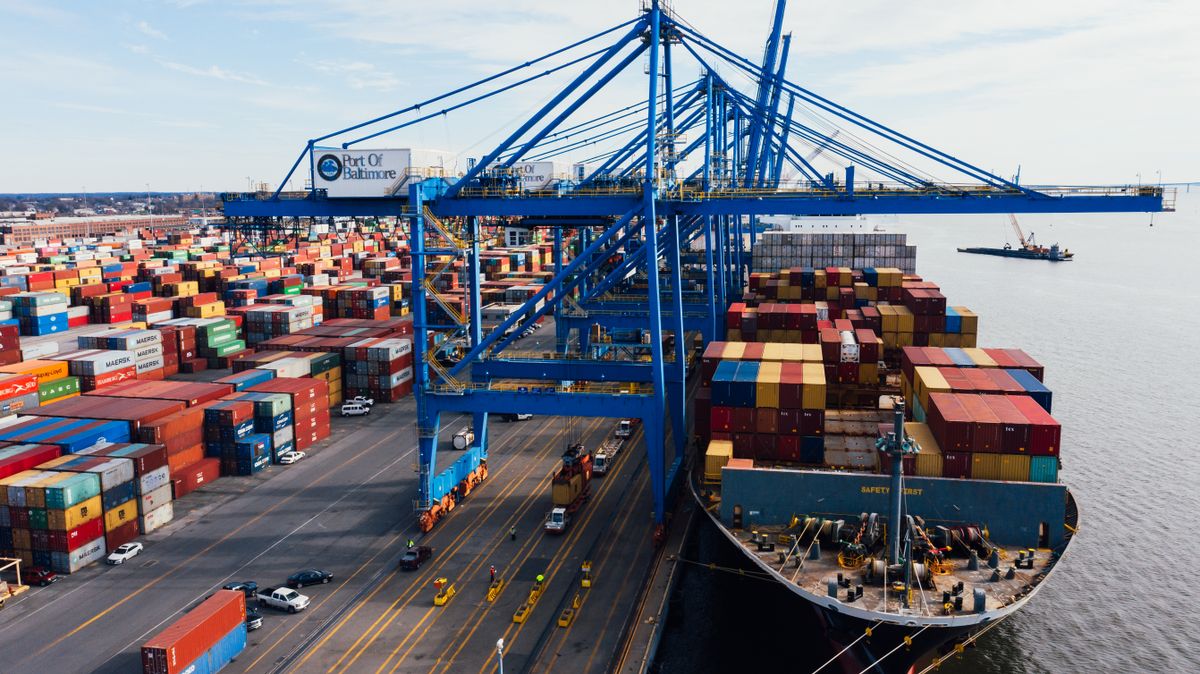
Shipping from China to France is the process of moving commercial goods between the world's largest manufacturing hub and Western Europe's second-largest import market, using ocean, air, rail, or express courier services, with customs clearance through French ports such as Le Havre or Marseille-Fos. In 2024, bilateral trade between China and France reached USD 79.58 billion, with China exporting USD 44.49 billion worth of goods (source: China Customs General Administration, 2024 annual data).
Here is a quick framework for choosing your shipping mode:
- Express courier (DHL, FedEx, UPS, TNT) — 3–6 days. Best for samples, urgent spare parts, or shipments under 100 kg. Cost: $9–12/kg.
- Air freight — 5–9 days from Shanghai or Guangzhou to Paris CDG. Best for time-sensitive cargo above 100 kg where express rates are too expensive. Cost: $5.50–7.50/kg.
- Rail freight (China-Europe Railway Express) — 16–22 days via Yiwu, Chongqing, or Xi'an to Lyon or Paris. Best mid-tier option: faster than sea, cheaper than air, and completely unaffected by the 2026 Hormuz rerouting. Cost: $140–180/CBM.
- Sea freight FCL/LCL — 28–40 days standard. Cheapest for large volumes. A 20ft FCL from Shanghai to Le Havre costs $1,215–1,600. But in March 2026, vessels rerouted via the Cape of Good Hope add 10–14 extra transit days and up to $1,500/TEU in Cape surcharges.
If you are shipping goods from China to France for the first time, the sections below break down transit times, costs, customs duties, and the four 2026 regulatory changes that no other guide currently covers.
How Long Does Shipping from China to France Take?
Transit time from China to France ranges from 3 days (express courier) to 40+ days (sea freight with Cape rerouting). The exact timeline depends on your shipping mode, origin port, and whether geopolitical disruptions are adding delays.
One of the biggest frustrations importers share on forums like Reddit and Quora is getting a vague "5 to 50 days" answer. Here is a precise comparison table with March 2026 data so you can actually plan your inventory.
| Shipping Mode | Transit Time | Cost Range | Best For | Hormuz Impact? |
|---|---|---|---|---|
| Express Courier (DHL/FedEx/UPS/TNT) | 3–6 days | $9–12/kg | Samples, urgent parts <100 kg | No |
| Air Freight | 5–9 days | $5.50–7.50/kg | Time-sensitive cargo >100 kg | No |
| DHL Truck-Air Hybrid | 9–11 days | 20–50% less than air | Mid-tier B2B cargo avoiding Hormuz premium | No |
| Rail Freight (China-Europe Railway Express) | 16–22 days | $140–180/CBM | Electronics, fashion, mid-volume | No |
| Sea Freight FCL (20ft) | 28–40 days | $1,215–1,600/container | Large volumes >15 CBM | +10–14 days |
| Sea Freight FCL (40ft) | 28–40 days | $1,935–2,365/container | Full container loads | +10–14 days |
| Sea Freight LCL | 28–40 days | $30–55/CBM | Smaller volumes <13 CBM | +10–14 days |
Schedule reliability caveat: According to industry data from Drewry and Sea-Intelligence, on-time performance for ocean carriers on the Asia-Europe trade lane averages only 50–80%. Budget for 3–5 day delays as standard, especially during peak season or disruption periods.
Practical planning tip: For sea freight, place your booking at least 2–3 weeks before your cargo is ready. For rail, book 1–2 weeks ahead. Air freight can typically be booked 3–5 days out. Use our Shipping Route Calculator to estimate transit times for your specific origin-destination pair.
Le Havre vs. Marseille-Fos: Which Port Is Better?
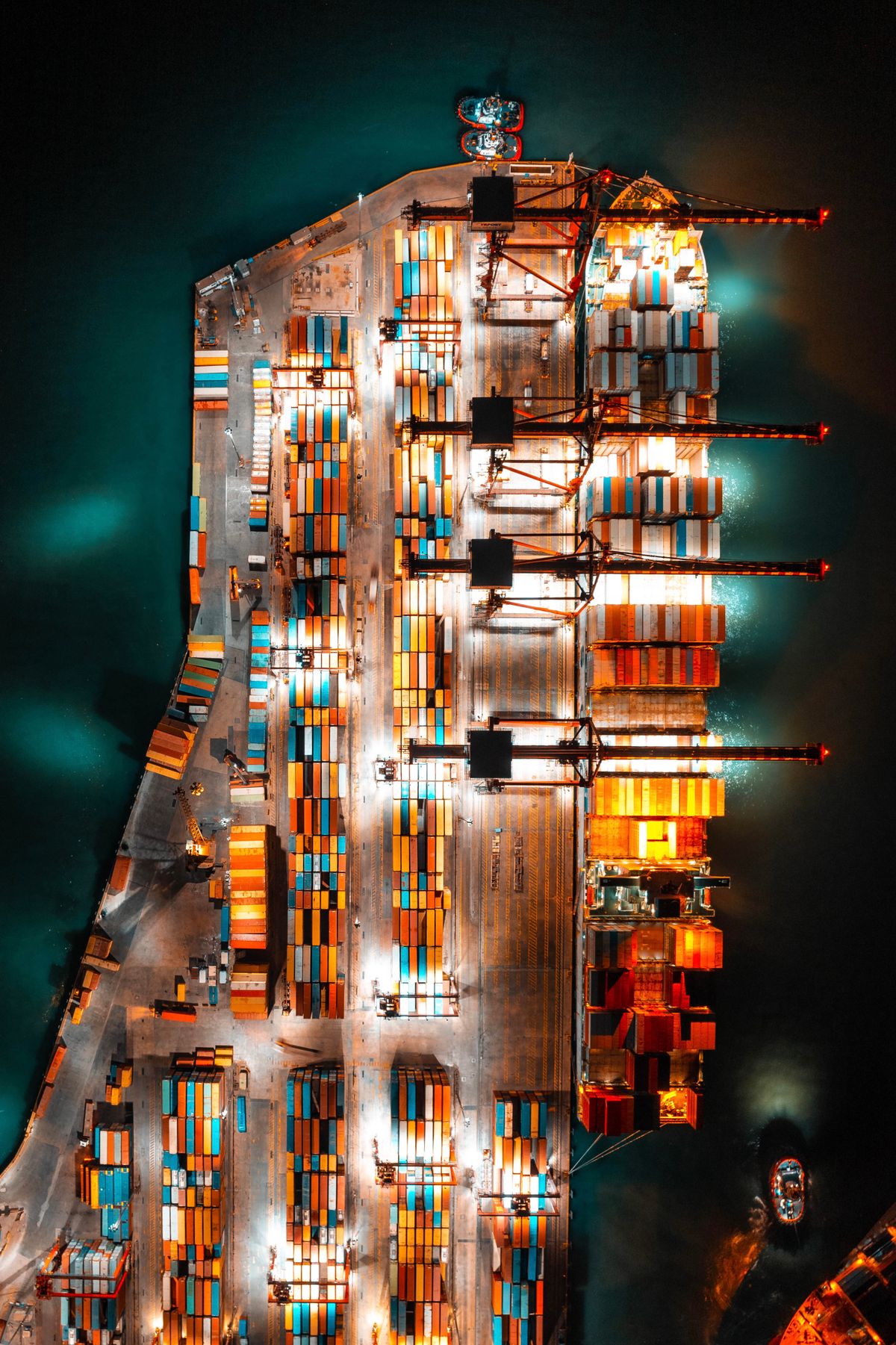
Le Havre handles approximately 2.3 million TEU per year and serves Paris, northern France, and the Benelux corridor. Marseille-Fos handles about 1.2 million TEU and is faster for deliveries to Lyon, Toulouse, and southern France. If your warehouse is south of Paris, routing through Marseille-Fos can save 1–2 days on inland trucking.
Shipping Costs from China to France: Full Breakdown for 2026
The total cost of shipping from China to France in 2026 goes well beyond the base freight rate. Surcharges related to the Hormuz crisis, environmental compliance, and new French customs fees can add 30–50% on top of the quoted rate if you are not prepared.
Base Freight Rates (March 2026)
| Mode | Unit | Rate Range | Source |
|---|---|---|---|
| Sea FCL 20ft (Shanghai → Le Havre) | Per container | $1,215–1,600 | Sino-Shipping, March 2026 |
| Sea FCL 40ft (Shanghai → Le Havre) | Per container | $1,935–2,365 | Sino-Shipping, March 2026 |
| Sea LCL | Per CBM | $30–55 | Industry average, March 2026 |
| Rail Freight | Per CBM | $140–180 | China-Europe Railway Express rates, March 2026 |
| Air Freight | Per kg | $5.50–7.50 | Market average, March 2026 |
| Air Freight (bulk ≥1,000 kg) | Per kg | $3.65+ | Sino-Shipping, March 2026 |
| Express Courier | Per kg | $9–12 | DHL/FedEx/UPS, March 2026 |
2026 Surcharges You Must Budget For
| Surcharge | Amount | When It Applies |
|---|---|---|
| Cape of Good Hope Surcharge (CSU) | Up to $1,500/TEU | All sea freight via Cape rerouting |
| Bunker Adjustment Factor (BAF) | $180–220/TEU | All sea freight |
| Low Sulphur Surcharge (LSS) | $80–120/TEU | IMO 2020 compliance |
| EU ETS Emissions Surcharge | $130–170/container (est.) | All China-Europe container routes from 2026 |
| War Risk Surcharge | $2,000–4,000/TEU (peak) | Strait of Hormuz crisis periods |
| Peak Season Surcharge | $200–300/TEU | Q3–Q4 (some carriers) |
According to Drewry's World Container Index (March 12, 2026), the Shanghai–Genoa rate — a proxy for Mediterranean ports including Marseille-Fos — hit $3,120 per 40ft container, up 10% week-over-week. MSC and CMA CGM announced FAK (Freight All Kinds) rate increases effective March 22, 2026. If you are shipping to France in Q2 2026, lock in rates before these increases take effect.
Total Landed Cost Example: Electronics from Shenzhen to Paris
Here is what a real landed cost looks like for a 40ft FCL of consumer electronics (CIF value: $50,000, HS code 8528: monitors, duty rate 3.7%):
- FOB product cost: $45,000
- Sea freight (40ft FCL): $2,150
- Insurance (0.5% CIF): $250
- Cape surcharge: $1,500
- BAF + LSS: $320
- EU ETS surcharge: $150
- Customs duty (3.7% on CIF $50,000): $1,850
- French VAT (20% on CIF + duty): $10,370
- Customs broker fee: $150–250
- Total landed cost: ~$61,990 (before inland delivery)
The VAT component ($10,370) is recoverable for VAT-registered businesses through Postponed VAT Accounting. Without PVA registration, you pay that amount upfront at customs clearance.
LCL vs. FCL threshold: If your cargo is under 13–15 CBM, LCL consolidation is more cost-effective. Above that volume, booking a 20ft FCL is almost always cheaper per unit.
How to Ship from China to France: A Step-by-Step Guide
Whether you are a first-time importer or an experienced procurement manager, following a structured process prevents costly mistakes at French customs. Here is the step-by-step workflow we recommend based on 17 years of handling China-France shipments.
- Confirm HS codes and calculate expected duties before placing your order. Use our HS Code Lookup tool to find the correct classification. French customs duty rates range from 0% (some electronics) to 12% (textiles). Getting the HS code wrong is the single most common cause of customs delays — according to industry estimates, documentation errors add 7–21 days to clearance.
- Obtain your EORI number — allow 4–8 weeks lead time. An EORI (Economic Operators Registration and Identification) number is mandatory for all commercial imports into the EU. Apply through the French customs authority (DGDDI). No competitor guide warns you about the lead time, but we have seen first-time importers miss entire shipping windows because their EORI was not yet active.
- Register for French VAT / Regime 42 Postponed VAT Accounting. From January 2026, all non-EU importers using Regime 42 must have a French VAT number linked to their EORI, and file monthly VAT returns. If you are a non-EU company shipping DDP to France, this registration is no longer optional — it is a legal requirement.
- Get quotes from at least 3 freight forwarders, specifying your Incoterm. The Incoterm determines who pays duties and VAT. Common options for China-France: FOB (you arrange freight from the Chinese port), DAP (seller delivers to your address, you pay duties on arrival), or DDP (seller covers all costs including duties and VAT). Make sure your forwarder provides an all-in quote — Reddit users consistently complain about post-booking surcharge surprises.
- Book your shipment and complete ICS2 Release 3 ENS filing. From 2026, the EU's Import Control System 2 (ICS2 Release 3) requires an Entry Summary Declaration (ENS) to be filed 24 hours before loading at the port of origin. This adds booking lead time — plan accordingly. Your freight forwarder should handle this filing.
- Prepare your documentation package:
- Commercial invoice (with Incoterm, HS codes, and declared CIF value)
- Packing list (carton count, dimensions, gross/net weight)
- Bill of lading (sea) or Air Waybill (air)
- Certificate of origin
- CE marking certificates (required for electronics, machinery, toys)
- EORI number
- Track your shipment and prepare for customs clearance. Sea freight arrives at Le Havre (northern France/Paris) or Marseille-Fos (southern France/Lyon). Use our Shipping Route Calculator to track estimated arrival dates. Customs clearance typically takes 1–3 working days if documentation is correct.
- Pay duties and VAT — or recover via PVA. Customs duty is calculated on the CIF value (Cost + Insurance + Freight). French VAT at 20% is applied on top of CIF + duty. If you are VAT-registered and enrolled in Postponed VAT Accounting, you defer the VAT payment to your monthly VAT return rather than paying cash at the border.
Amazon FBA France: Additional Labeling Requirements
If you are shipping to an Amazon FBA warehouse in France, your cartons must also include FNSKU labels on every unit, Amazon shipment ID labels on every carton, and comply with Amazon's carton weight limits (typically 13–32 kg depending on product category). All product descriptions and safety warnings on packaging must include French-language versions. YouTube tutorials from Amazon FBA seller channels consistently flag labeling errors as the top cause of FBA shipment rejections.
What Are France's Customs Duties, VAT, and 2026 Regulatory Changes?
France applies EU-wide customs duties and its own 20% VAT on all commercial imports. But 2026 introduces four major regulatory changes that no single competitor guide currently covers — and any one of them can delay or block your shipment if you are not prepared.
Standard Customs Duties by Product Category
| Product Category | HS Code Range | Duty Rate |
|---|---|---|
| Electronics (monitors, cameras) | 8525–8528 | 0–5% |
| Textiles & clothing | 5000–6300 | Up to 12% |
| Toys & games | 9503–9505 | 4.7% |
| Machinery & equipment | 8400–8500 | 0–6% |
| Furniture | 9401–9403 | 0–5.6% |
Duties are calculated on the CIF value (product cost + insurance + freight to France). French VAT at 20% is then applied on top of the CIF value plus duty. For VAT-registered B2B buyers, the VAT can be reverse-charged — meaning you report it on your VAT return rather than paying at the border.
2026 Change #1: Regime 42 Mandatory VAT Registration (January 2026)
Regime 42 previously allowed non-EU importers to clear goods into France with deferred VAT under simplified conditions. From January 2026, this has changed: all non-EU importers must now hold a French VAT number (TVA intracommunautaire), have it linked to their EORI, and file monthly VAT returns. Postponed VAT Accounting (PVA) is now the standard mechanism. If your freight forwarder handles DDP shipping, they must hold or operate under a valid French VAT number — otherwise your goods will be held at customs.
2026 Change #2: France €2/HS Code Handling Fee (March 1, 2026)
France introduced a €2 handling fee per unique HS code on all parcels valued under €150 arriving from outside the EU, effective March 1, 2026. This directly impacts e-commerce sellers and dropshippers using platforms like Temu, Shein, and AliExpress. For B2B importers shipping FCL or LCL, the impact is minimal — but if you ship multiple small-parcel orders, the fees add up fast.
2026 Change #3: EU €3 Flat Customs Duty per Parcel (July 1, 2026)
Starting July 1, 2026, the EU introduces a €3 flat customs duty on every parcel valued under €150 from outside the EU. This stacks on top of France's €2 handling fee — meaning each low-value parcel faces at least €5 in new fees per HS code. Simultaneously, the €150 customs duty exemption is abolished: normal tariff rates will apply to all imports regardless of value. According to EU Commission estimates, approximately 4.6 billion sub-€150 shipments entered the EU in 2024, with roughly 91% originating from China (source: European Commission Impact Assessment, 2024).
2026 Change #4: ICS2 Release 3 ENS Pre-Filing (2026)
The EU's Import Control System 2 (Release 3) requires an Entry Summary Declaration (ENS) to be filed 24 hours before cargo is loaded at the port of origin. This is a security and customs data requirement that adds booking lead time. Your freight forwarder must be capable of electronic ENS submission — if they are not, your cargo will not be loaded.
EORI Registration: Plan 4–8 Weeks Ahead
An EORI number is mandatory for all commercial importers into the EU. In France, you apply through the Direction Générale des Douanes et Droits Indirects (DGDDI). Processing takes 4–8 weeks — a fact that no top-ranking competitor guide currently warns about. If you are planning your first shipment to France, start the EORI application before you finalize your purchase order.
CE Marking Checklist
Products in regulated categories must carry CE marking before they can clear French customs:
- Electronics: EMC Directive (2014/30/EU), Low Voltage Directive (2014/35/EU)
- Toys: Toy Safety Directive (2009/48/EC)
- Machinery: Machinery Directive (2006/42/EC)
- Cosmetics: REACH regulation + CPNP notification
French customs can and does seize goods that lack proper CE documentation. IP-infringing goods are also subject to immediate confiscation — if you are sourcing from Alibaba, ensure your supplier provides genuine compliance certificates, not self-declared ones.
What Is DDP Shipping to France — and Who Actually Pays the VAT?
DDP (Delivered Duty Paid) is an Incoterm under which the seller or freight forwarder covers all costs — freight, customs duties, and VAT — and delivers goods to the buyer's door in France. The buyer pays nothing on arrival. This is the opposite of DAP (Delivered At Place), where the buyer is responsible for paying duties and VAT when the shipment arrives.
This distinction matters because under DAP or DDU terms, couriers like DHL, FedEx, and UPS collect duties and VAT cash-on-delivery (COD) from the recipient. Quora threads are filled with buyers shocked by unexpected COD charges of hundreds or thousands of euros on arrival — a situation that damages business relationships and causes delivery refusals.
Regime 42's Impact on DDP in 2026
The January 2026 Regime 42 change means that any non-EU seller or forwarder offering DDP to France must now hold a valid French VAT number. Without it, they cannot legally clear goods through French customs under DDP terms. This is not a technicality — shipments with non-compliant DDP declarations are being seized or returned.
How Postponed VAT Accounting (PVA) Works
Under PVA, VAT-registered importers report import VAT on their periodic VAT return rather than paying it at the customs border. This means you declare and simultaneously deduct the VAT — effectively making it cash-flow neutral. PVA is now the default mechanism for Regime 42 importers in France from 2026.
DDP vs. DAP: Which Should You Choose?
| Scenario | Recommended Incoterm | Reason |
|---|---|---|
| B2B importer with French VAT number | DAP or FOB | You handle clearance yourself, recover VAT via PVA |
| Non-EU company without French VAT | DDP (via compliant forwarder) | Forwarder handles VAT registration and customs |
| B2C e-commerce / dropshipping | DDP | Prevents COD duty surprises for your customers |
| Amazon FBA seller | DDP | Amazon rejects shipments with unpaid duties |
Risk warning: If you use DDP without ensuring your forwarder has proper French VAT compliance, your goods may be seized, returned, or subject to penalties. Always verify your forwarder's French VAT registration status before booking DDP shipments.
How Cape of Good Hope Rerouting Is Affecting China-France Shipping Costs in 2026
Since the Strait of Hormuz closure in February 2026, container vessels on the Asia-Europe trade lane have been rerouted around the Cape of Good Hope. This adds 10–14 days to sea freight transit times and has triggered a cascade of surcharges that are fundamentally changing the cost equation for China-France shipping.
The Full Cost Impact
According to Xeneta's ocean freight intelligence data (March 2026), the Hormuz disruption has produced three waves of impact on procurement teams:
- Trapped vessels and booking splits — containers stuck in the Gulf region created an immediate equipment shortage, forcing shippers to split bookings across multiple sailings.
- Service string restructuring — carriers like MSC and CMA CGM restructured their Asia-Europe services, reducing direct calls and increasing transshipment.
- Surcharge compounding — Cape surcharges (up to $1,500/TEU), war risk surcharges ($2,000–4,000/TEU at peak), and BAF increases ($180–220/TEU) are stacking on top of already-elevated base rates.
At peak disruption (Week 11, 2026), delays at Khor Fakkan port averaged +7.9 days with 100% congestion, according to Xeneta's port congestion data. B2B procurement managers on LinkedIn report that daily (not weekly) schedule monitoring is now required during disruption periods.
"I need an all-in quote — no surprises"
This is the most common objection we hear from importers navigating the 2026 rate environment. Forwarders quoting base rates only — then adding BAF, low sulphur surcharge, and Cape surcharge post-booking — erode trust and make budget planning impossible. When evaluating quotes, demand a breakdown of every surcharge line item upfront. If a forwarder cannot provide transparent all-in pricing, that is a red flag.
Air and Rail Freight: Unaffected Alternatives
Air freight and rail freight routes from China to France are completely unaffected by the Hormuz closure. This creates a clear differentiation opportunity:
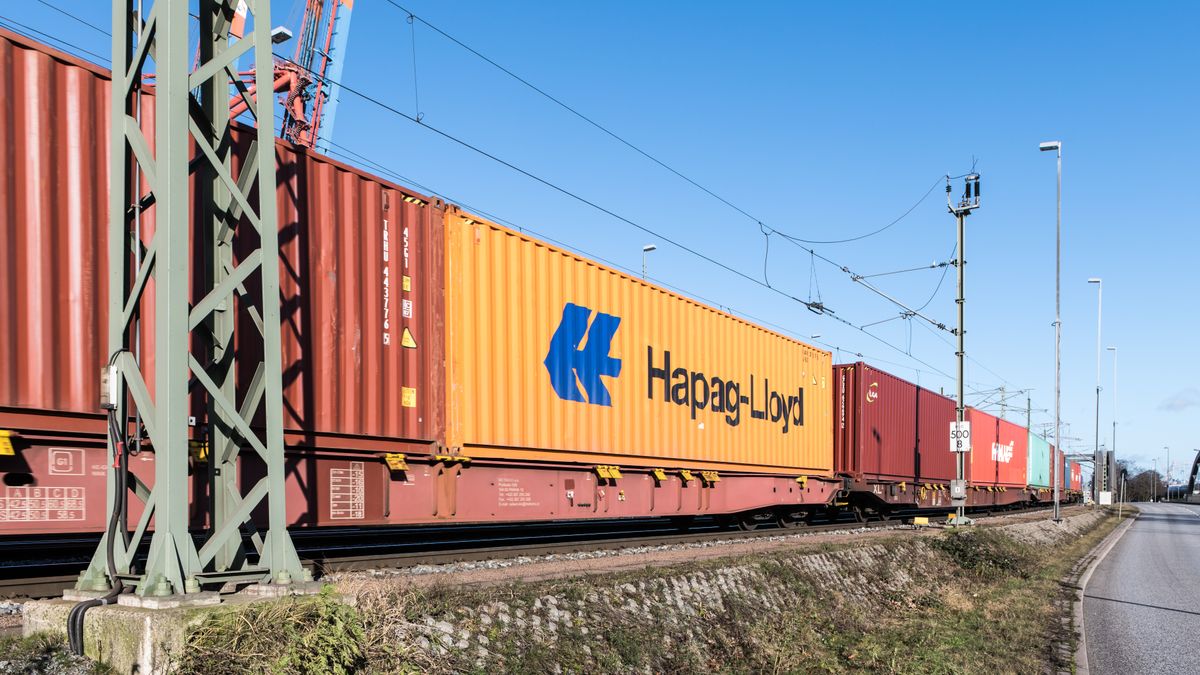
- Rail freight (16–22 days, $140–180/CBM) offers the best value for time-sensitive cargo that cannot wait 40–54 days for sea freight via the Cape route. The China-Europe Railway Express runs from Chongqing, Xi'an, and Yiwu through Kazakhstan and Poland to reach Lyon and Paris. Rail also produces only 25% of air freight's carbon emissions — a factor increasingly relevant for companies with ESG reporting requirements.
- DHL's truck-air hybrid service (China → Tashkent → Istanbul → Europe) offers 9–11 day transit at 20–50% less than traditional air cargo, according to FreightWaves reporting. This emerging mid-tier option bypasses both port congestion and airport capacity constraints.
Our recommendation: For time-sensitive SKUs, switch to rail or air until sea routes stabilize. For bulk cargo that can tolerate the extended transit, sea freight via the Cape route remains the cheapest option — but budget for the full surcharge stack, not just the base rate. Supply chain managers should benchmark every carrier surcharge against market data from Drewry or Xeneta rather than accepting quotes passively.
How to Ship from China to Amazon FBA France?
Shipping from China to Amazon FBA France requires a DDP-capable freight forwarder who can handle customs clearance, VAT compliance, and Amazon's specific labeling requirements. Getting any of these wrong means your shipment gets rejected at the FBA warehouse — and Amazon does not accept shipments with unpaid duties.
What DDP to Amazon FBA France Includes
A compliant DDP shipment to Amazon FBA France covers:
- Freight from your Chinese supplier's factory or warehouse to the FBA fulfillment center
- Export customs clearance in China
- Import customs clearance in France (duties + 20% VAT paid by the forwarder)
- ICS2 Release 3 ENS pre-filing
- Inland delivery to the Amazon FBA warehouse
FBA Labeling and Carton Requirements
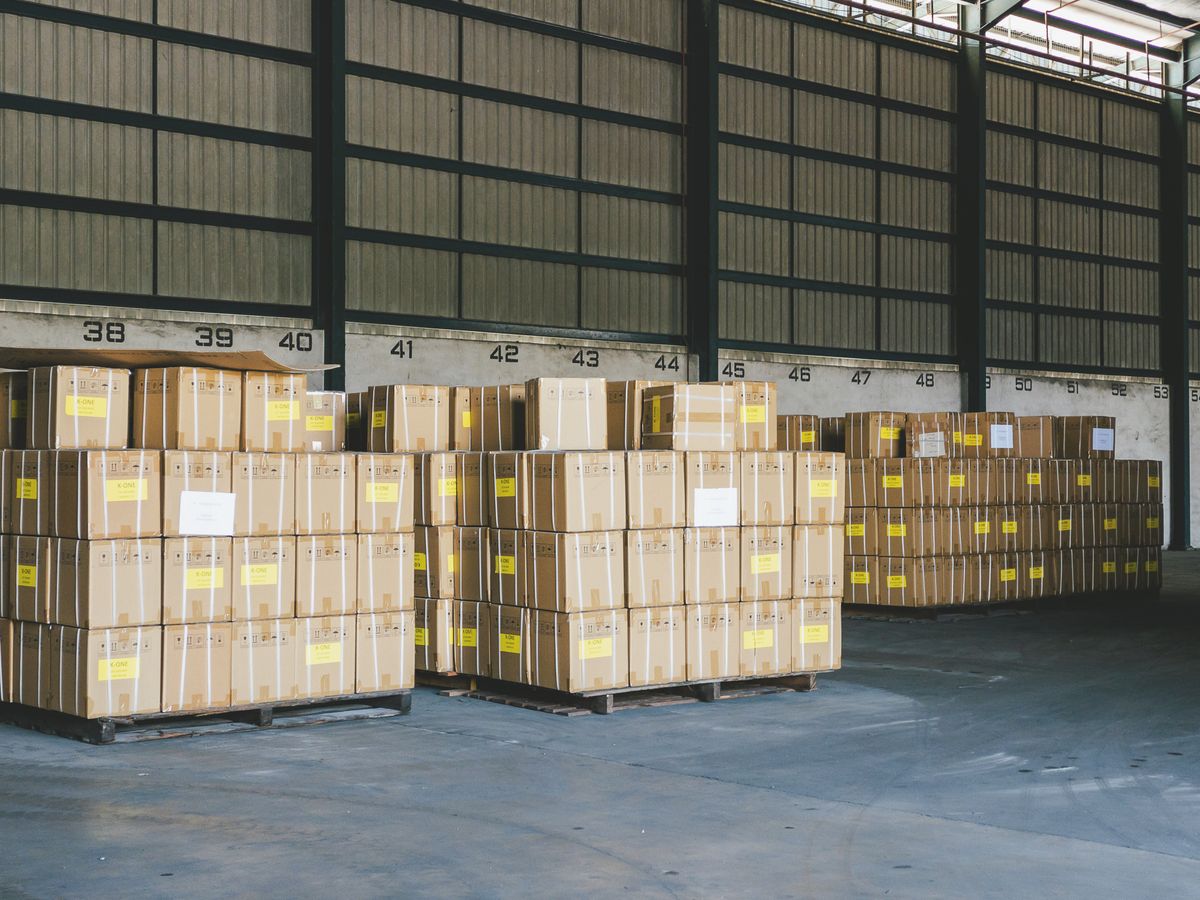
- FNSKU labels — every individual unit must have a scannable FNSKU barcode. If your Chinese supplier applies labels, verify placement and scannability before shipping.
- Amazon shipment ID labels — every carton must display the Amazon shipment ID corresponding to your FBA shipping plan.
- Carton weight limits — typically 13–32 kg per carton depending on the product category. Overweight cartons are rejected.
- French language requirements — product descriptions, safety warnings, and ingredient lists (for cosmetics/food) must include French-language versions.
- Suffocation warnings — any product in a poly bag must include a suffocation warning in French.
Regime 42 + FBA: VAT Registration Is Still Required
Even when using a DDP forwarder, you or your forwarder must hold a valid French VAT number from January 2026. Amazon France requires sellers to provide a valid VAT number for their account — and French customs requires it for the Regime 42 DDP clearance process. Do not assume your forwarder's VAT number alone satisfies Amazon's seller requirements.
Restricted Products for France FBA
Certain product categories require additional DDP compliance when shipping to Amazon FBA France. Products containing lithium batteries must comply with UN 38.3 testing requirements and IATA dangerous goods regulations. Magnetic products (e.g., neodymium magnets) require specific UN packaging. If your Chinese supplier cannot provide the proper safety test reports and shipping declarations, your DDP forwarder cannot legally transport these goods by air freight — and sea freight adds significant lead time. Always confirm restricted product compliance before placing your production order.
Multi-Supplier Consolidation for FBA
If you source from 5–10 different Alibaba factories, a freight forwarder can collect cargo from each supplier at a CFS (Container Freight Station) in China, consolidate everything into a single FCL, and ship it as one shipment to your FBA warehouse in France. This significantly reduces per-unit shipping costs versus sending multiple LCL shipments from each factory individually.
Honour Ocean's FBA Freight service specializes in exactly this workflow: multi-supplier consolidation from China, DDP customs clearance with valid French VAT registration, FBA-compliant labeling checks, and delivery to Amazon fulfillment centers across France.
Why Honour Ocean for China-France Shipping?
With 17+ years of first-hand China-France freight forwarding experience, Honour Ocean is the only forwarder in the current SERP to cover all four 2026 regulatory changes — Regime 42 mandatory VAT, France €2 handling fee, ICS2 Release 3, and the EU €3 flat duty. Our dedicated FBA Freight sub-brand handles Amazon-specific DDP shipping including multi-supplier consolidation, FNSKU labeling verification, and French customs compliance. Use our Shipping Route Calculator and HS Code Lookup tools to plan your shipment before requesting a quote.
Frequently Asked Questions
What is the fastest shipping method from China to France?
Express courier services (DHL, FedEx, UPS, TNT) are the fastest at 3–6 days door-to-door. For heavier cargo above 100 kg, air freight at 5–9 days is more cost-effective — express rates of $9–12/kg become prohibitively expensive above that weight. DHL's truck-air hybrid option (9–11 days) offers a newer mid-tier alternative at 20–50% less than traditional air cargo.
How do customs duties work when importing from China to France?
French customs duties are calculated on the CIF value (product cost + insurance + freight). Duty rates vary by HS code: electronics typically 0–5%, textiles up to 12%, toys 4.7%. After duties are applied, French VAT at 20% is charged on the combined CIF value plus duty amount. VAT-registered businesses can use Postponed VAT Accounting (PVA) to defer the VAT to their monthly return rather than paying at the border.
What are France's new customs handling fees for parcels from China starting March 2026?
France charges a €2 fee per unique HS code on parcels valued under €150 arriving from outside the EU, effective March 1, 2026. From July 1, 2026, the EU adds a €3 flat customs duty per parcel on shipments under €150. These two fees stack — total minimum additional cost per parcel is €5 or more. Simultaneously, the €150 customs duty exemption is being abolished, meaning normal tariff rates will apply to all imports regardless of declared value.
Do I need an EORI number to import goods from China into France?
Yes — an EORI number is mandatory for all commercial imports into the EU, including France. Apply through the French customs authority (DGDDI) at least 4–8 weeks before your planned first shipment. Without an active EORI, your goods cannot clear customs and will be held at the port. From 2026, your EORI must also be linked to your French VAT number if you are a non-EU importer using Regime 42.
How did the Regime 42 changes affect DDP shipping requirements for non-EU importers to France?
From January 2026, all non-EU importers or their freight forwarders must hold a French VAT number (TVA intracommunautaire) linked to their EORI and file monthly VAT returns. Postponed VAT Accounting (PVA) replaces the old simplified Regime 42 deferral. Any DDP shipment cleared without a valid French VAT registration risks seizure or return. Allow 4–8 weeks for VAT registration before your first 2026 shipment.
What documents are required for customs clearance in France for goods from China?
You need a commercial invoice (stating Incoterm, HS codes, and CIF value), packing list, bill of lading or air waybill, certificate of origin, CE marking certificates (for electronics, toys, or machinery), your EORI number, and ICS2 ENS pre-filing confirmation. Missing or incorrect documentation — especially wrong HS codes — is the leading cause of customs delays, adding 7–21 days to clearance time.
Can a freight forwarder consolidate orders from multiple Chinese suppliers into one shipment to France?
Yes. A freight forwarder can collect cargo from multiple Alibaba or factory suppliers at a Container Freight Station (CFS) in China, consolidate everything into a single FCL container, and ship it to France as one shipment. This is called LCL consolidation or CFS service. It significantly reduces per-unit shipping costs compared to sending separate LCL shipments from each supplier. Honour Ocean offers this multi-supplier consolidation service for both standard freight and Amazon FBA shipments.
How do I calculate the total landed cost when shipping from China to France?
Total landed cost = Product cost (FOB) + Freight charges + Insurance + Customs duty (CIF value × duty rate by HS code) + French VAT at 20% (on CIF + duty) + 2026 surcharges (Cape surcharge, BAF, EU ETS) + France €2 handling fee (if applicable for sub-€150 parcels) + customs broker fees. For a typical 40ft FCL of electronics from Shenzhen to Paris, the surcharges and duties can add 30–40% on top of the FOB product cost.
About Honour Ocean Shipping
Honour Ocean Shipping is a professional freight forwarding company based in Shenzhen, China, with 17 years of logistics experience since 2009. We specialize in ocean freight, air freight, express shipping, railway freight, and DDP delivery to 200+ countries. Our sub-brand FBA Freight focuses on Amazon FBA logistics.

