
Key Takeaways
- FCL sea freight from China to UK costs $1,100–$2,200 in Q1 2026 depending on container size; LCL runs $30–$60/CBM plus surcharges.
- Your freight quote is never your final cost — always calculate the full landed cost including UK customs duty and 20% VAT.
- UK importers must have an EORI number post-Brexit; apply free via HMRC before your first shipment.
- Hidden surcharges (BAF, THC, ORC) can add 20–40% on top of the base rate — always request an all-in quote.
- Book 4–6 weeks early before Chinese New Year or Golden Week to avoid rate spikes and port congestion.
What Does Shipping from China to UK Really Cost in 2026?
Shipping cost from China to UK depends on three things: your shipment size, how fast you need it, and which shipping method you choose. Here's what UK importers are actually paying in Q1 2026.
Shipping from China to UK is a cost calculation that includes the base freight rate, surcharges, UK customs duty, and 20% VAT. The base freight rate alone — the number most forwarders quote upfront — is just one part of your total landed cost. Understanding the full picture before you place a supplier order is the difference between a profitable import and an expensive lesson.
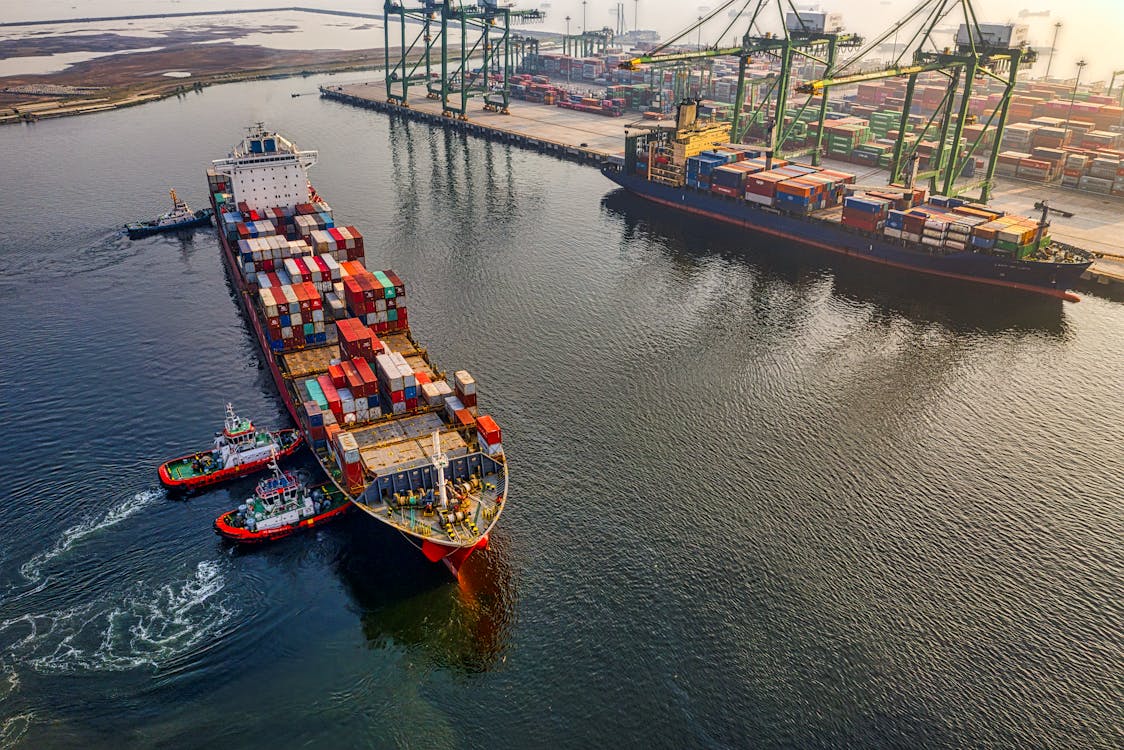
According to Freightos market data, Q1 2026 ocean freight rates on the China–UK corridor have stabilised after the disruptions of 2024–2025. Here's what each shipping method costs right now:
| Shipping Method | Cost Range | Transit Time | Best For |
|---|---|---|---|
| FCL 20ft container | $1,100–$1,400 | 25–35 days | Shipments filling 15+ CBM |
| FCL 40ft container | $1,700–$2,200 | 25–35 days | Shipments filling 30+ CBM |
| LCL (sea, per CBM) | $30–$60/CBM | 30–40 days | 1–12 CBM shipments |
| Air freight (per kg) | $3–$8/kg | 5–10 days | Under 100 kg or urgent |
| Express courier (DHL/FedEx) | $5–$15/kg | 3–5 days | Small parcels under 30 kg |
These are base freight rates from Shanghai to Felixstowe — the most common China to UK route. Your actual cost will be higher once you factor in surcharges, customs duty, and VAT. We'll break down every line item in the landed cost section below.
Sea Freight from China to UK: LCL vs FCL — When to Choose Which?
Sea freight is the cheapest way to ship from China to UK for anything over 1 CBM. But choosing between LCL (Less than Container Load) and FCL (Full Container Load) is where most importers either save or waste money.
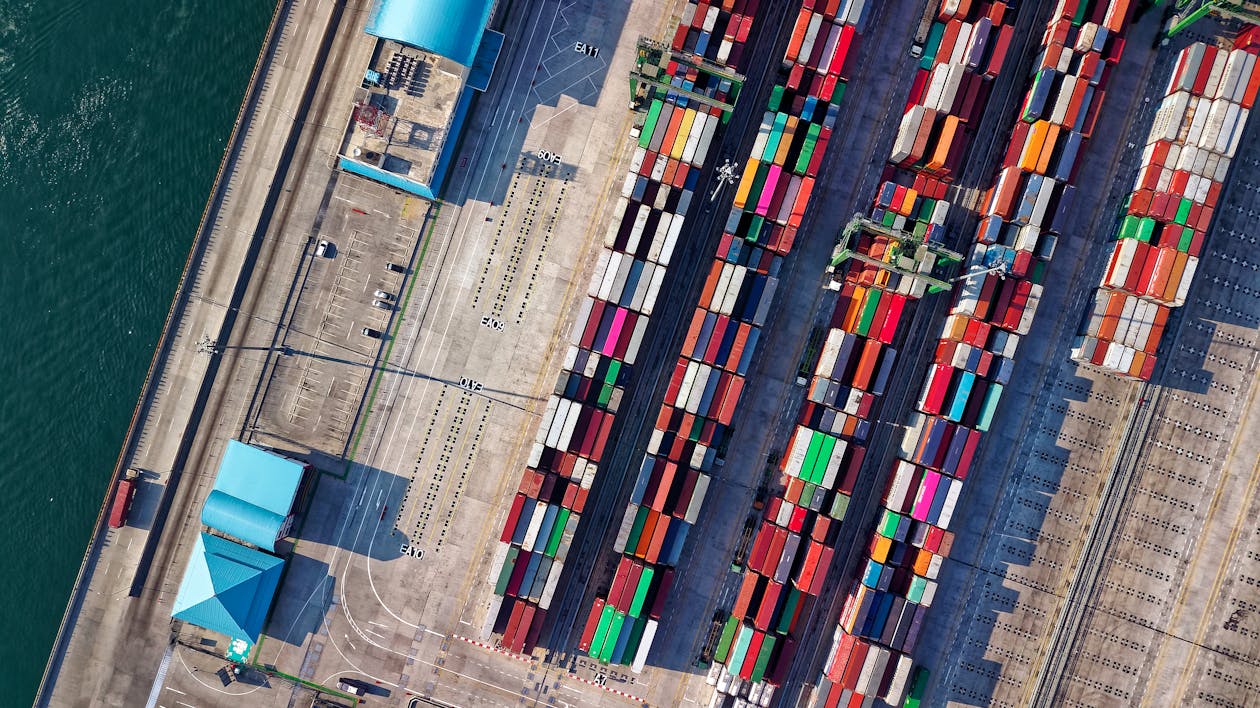
LCL shipping from China to UK means your cargo shares container space with other shippers' goods. You pay per CBM — typically $30–$60/CBM on the China–UK route in 2026. FCL means you book an entire container, regardless of whether you fill it completely.
The LCL vs FCL Decision: A 3-Step Framework
- Check your volume. If your shipment is under 10–12 CBM, LCL is almost always cheaper. Above 12–15 CBM, an FCL 20ft container (33 CBM capacity) starts making more sense per-unit.
- Assess your urgency. FCL clears customs faster because it's a single consignment. LCL waits for deconsolidation at the destination warehouse, adding 3–7 days.
- Calculate your per-unit cost. Divide the total freight cost by the number of units. Sometimes paying for a half-empty 20ft container is cheaper than LCL once you account for LCL handling fees and longer transit.
Here's the maths: a 20ft container holds 33 CBM, a 40ft holds 67 CBM, and a 40ft High Cube holds 76 CBM. At $1,200 for a 20ft FCL from Shanghai to Felixstowe, you're paying about $36/CBM — which undercuts LCL rates as soon as you fill roughly 60% of the container.
The Real Objection: "Sea Freight Is Only Cheaper If Volume Is Sufficient"
This is one of the most common concerns on UK importer forums, and it's valid. If you're shipping 2–3 CBM, LCL sea freight at $40/CBM ($80–$120 base) beats air freight at $5/kg for anything heavier than about 25 kg. But for a single carton of samples weighing 15 kg, express courier at $8–$10/kg ($120–$150 total) gets it to your door in 4 days instead of 35.
Transit time from China to UK by sea: 25–35 days via the Suez Canal on a direct service, or 35–45 days if the vessel is routed via the Cape of Good Hope. Post-2024 Red Sea disruptions forced several carriers including Maersk and CMA CGM to reroute, adding 10–14 days to some sailings. According to Drewry Shipping Consultants, approximately 60% of Asia–Europe sailings were still using Cape routing as of late 2025.
Main UK entry ports for China freight: Felixstowe (handling 4M+ TEU/year — the UK's largest container port), Southampton, London Gateway, and Liverpool. Major carriers on this route include Maersk, CMA CGM, COSCO, MSC, and Evergreen.
Air Freight from China to UK: Per-KG Rates and Volumetric Weight Explained
Air freight from China to UK costs $3–$8 per kg for standard air cargo (door-to-door) and $5–$15 per kg for express courier services like DHL, FedEx, or UPS. The rate depends on your product type, shipment weight, and how urgently you need delivery.
But here's what catches most first-time importers: you don't always pay based on actual weight. Airlines charge based on chargeable weight, which is whichever is greater — your actual weight or your volumetric weight.
How to Calculate Volumetric Weight for Air Freight
- Measure your carton in centimetres: Length × Width × Height.
- Divide by 5,000 (the standard air freight volumetric divisor).
- Compare the result to your actual weight in kg.
- The higher number is your chargeable weight — that's what you pay on.
Worked example: You're shipping a carton that measures 60 cm × 50 cm × 40 cm and weighs 15 kg.
- Volumetric weight: 60 × 50 × 40 ÷ 5,000 = 24 kg
- Actual weight: 15 kg
- Chargeable weight: 24 kg (volumetric is higher)
- At $5/kg air freight rate: 24 × $5 = $120 — not the $75 you'd expect from actual weight alone
This is why bulky but lightweight goods (plastic products, cushions, packaging materials) are dramatically more expensive by air than their actual weight suggests. For these products, sea freight is almost always the right call unless delivery is truly urgent.
When Air Freight Beats Sea Freight
Air freight makes financial sense when your shipment is under 100 kg, when you need delivery within 7–10 days, or when the goods have a high unit value that justifies faster transit (electronics, medical devices, fashion samples). For shipments over 200 kg, sea LCL is nearly always cheaper per unit delivered.
What Is the Total Landed Cost to Import from China to the UK?
The total landed cost is the complete amount you pay from the moment goods leave your supplier's warehouse in China to the moment they arrive at your door in the UK. It includes freight, surcharges, customs duty, VAT, clearance fees, and last-mile delivery.
This is the number that matters for your profit margin — not the freight rate your forwarder quotes. According to LinkedIn discussions among UK procurement professionals, total landed cost is the #1 decision factor for B2B buyers choosing between suppliers and shipping methods.
Worked Example: 500 kg Electronics Shipment, 3 CBM, FOB Shanghai
| Cost Item | Amount | Notes |
|---|---|---|
| Product cost (FOB) | $5,000 | Supplier invoice value |
| Sea freight (LCL, 3 CBM × $45) | $135 | Base ocean freight |
| Origin charges (ORC + handling) | $80 | Shanghai port charges |
| BAF (Bunker Adjustment Factor) | $35 | Fuel surcharge |
| THC at UK port | $120 | Terminal handling, Felixstowe |
| UK customs clearance fee | £85 (~$108) | Broker processing fee |
| UK import duty (3.7% on CIF value) | $198 | HS code dependent — check via HS Code Lookup tool |
| UK VAT (20% on CIF + duty) | $1,087 | 20% on ($5,000 + $135 + $198) |
| Last-mile delivery | £60 (~$76) | Pallet delivery to warehouse |
| Total landed cost | $6,839 | 37% above FOB product cost |
That's a 37% uplift over the product cost alone. The freight rate ($135) is just 2% of the total — it's the duty and VAT that dominate. This is why comparing freight quotes without calculating landed cost is like comparing car prices without including insurance and fuel.
How to calculate landed cost before placing a supplier order: Take your FOB price, add estimated freight (get quotes from 2–3 forwarders), look up your HS code duty rate on UK Trade Tariff, then add 20% VAT on the CIF value plus duty. At Honour Ocean, we provide pre-shipment landed cost estimates so you know your true cost before you commit to a supplier order.
What Hidden Surcharges Inflate Your China to UK Freight Quote?
One of the biggest pain points for UK importers — and the most common complaint on business forums — is that the freight rate you're quoted is rarely the rate you end up paying. According to discussions on UK Business Forums, importers routinely see $500+ variance between different forwarders' "all-in" quotes for the same route.
Here's a decoder for every surcharge you're likely to see on a China to UK sea freight invoice:
BAF (Bunker Adjustment Factor) is a fuel surcharge that fluctuates monthly with crude oil and bunker fuel prices. It's levied per TEU (container) or per CBM (LCL). When oil prices spike, BAF can add $100–$300 per 20ft container to your bill.
THC (Terminal Handling Charge) covers the cost of moving your container at the port terminal. At UK destination ports like Felixstowe, THC typically runs $30–$60 per CBM for LCL or $150–$250 per container for FCL. This is non-negotiable and charged by the port operator, not the shipping line.
ORC (Origin Receipt Charge) is levied at the Chinese origin port — typically Shanghai, Shenzhen, or Ningbo. It covers container receipt and initial handling. Expect $50–$100 per container.
CAF (Currency Adjustment Factor) applies when your contract is denominated in USD but the carrier incurs costs in other currencies. This surcharge protects the shipping line against exchange rate movements.
Demurrage and detention are daily charges that accumulate when containers are not collected from the port (demurrage) or not returned empty to the depot (detention) within the free days allowed. Rates range from $50–$150 per day after the free period (usually 3–7 days). These can escalate quickly during UK port congestion or if customs holds your shipment for inspection.
How to Read a Freight Quote: All-In vs Base-Only Pricing
When requesting quotes from freight forwarders, always ask: "Is this an all-in rate or base only?" An all-in rate should include origin charges, ocean freight, BAF, THC, and destination handling. A base-only rate excludes most surcharges — and that's where the nasty surprises come from.
Our recommendation: request a line-item breakdown from every forwarder you're comparing. If a forwarder won't itemise their quote, that's a red flag. Transparent pricing means you can compare apples to apples and identify exactly where your money is going.
Do You Need an EORI Number to Import from China to the UK?
Yes — an EORI (Economic Operators Registration and Identification) number is mandatory for all UK importers post-Brexit. This applies to businesses, sole traders, and anyone importing goods commercially into the UK. Without an EORI number, your shipment will be held at the UK port and you'll incur storage charges while the issue is resolved.
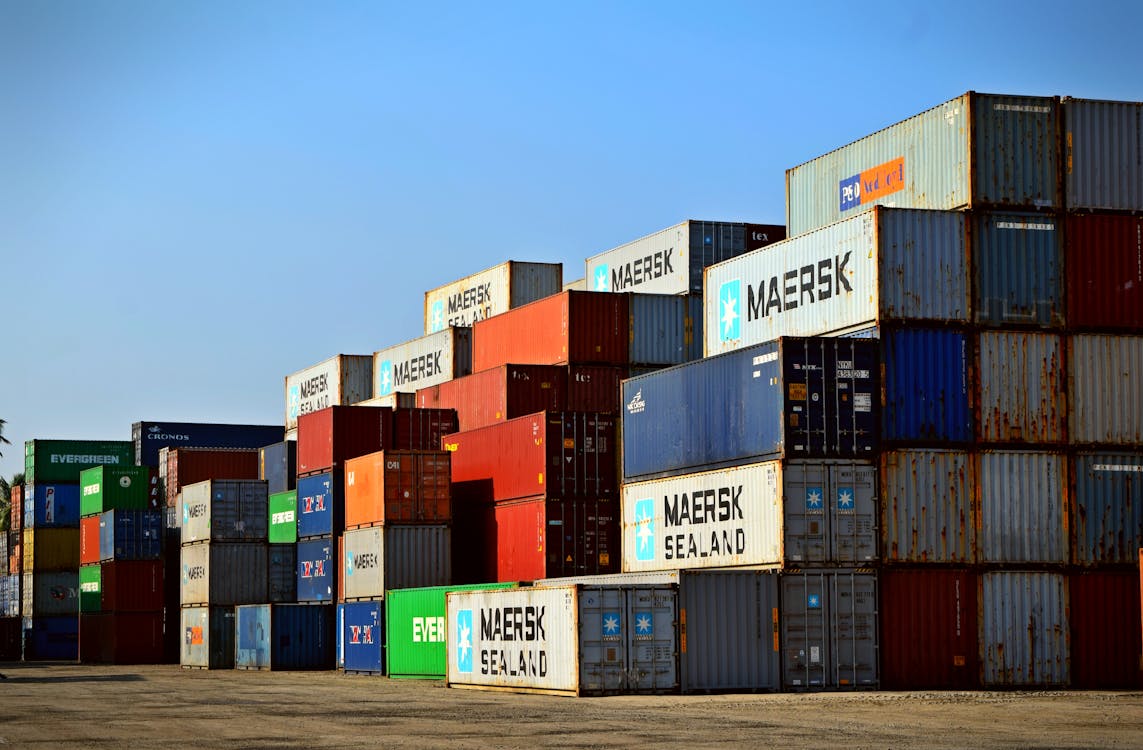
This is one of the most common gaps we see with first-time importers. On forums like UK Business Forums and Reddit, "I didn't know I needed an EORI number" is a recurring theme from importers who've had their first shipment stuck at Felixstowe.
How to Get Your UK EORI Number: Step by Step
- Go to the HMRC EORI application page at gov.uk (search "Get an EORI number").
- You'll need: your VAT registration number (if VAT registered), your business name and address, and your UTR (Unique Taxpayer Reference) or National Insurance number for sole traders.
- Submit the application — it's free. No fees.
- Wait 3–5 business days for processing. HMRC will email your EORI number.
- Provide your EORI to your freight forwarder before your shipment arrives in the UK.
C88/E2: The Document That Proves Your Duty Was Paid
When your goods clear UK customs, the C88/E2 customs entry document is generated as proof that import duty and VAT were correctly declared and paid. Always request this document from your freight forwarder or customs broker — especially if you're using DDP shipping.
Here's why this matters: some suppliers offering DDP (DDP shipping from China to UK) may misdeclare goods — using incorrect HS codes or undervaluing the shipment to reduce the duty they pay on your behalf. Without the C88/E2 document, you have no way to verify that the correct duties were paid. If HMRC audits your import records and finds discrepancies, you are liable — not your supplier.
How to Time Your Shipment: Seasonal Rate Calendar for China to UK Shipping
Freight rates from China to UK are not static. They follow predictable seasonal patterns that can move your shipping cost by 20–40% depending on when you book. Smart importers plan procurement around these windows.
Chinese New Year (January–February)
Chinese factories close for 2–4 weeks around CNY (dates shift each year based on the lunar calendar). Rates spike 20–40% in the 2–3 weeks before the holiday as everyone rushes to ship before the shutdown. After CNY, there's a 2–3 week ramp-up period where production gradually resumes. Action: place orders and book freight at least 6 weeks before CNY to lock in pre-spike rates.
Golden Week (October 1–7)
The second major factory shutdown window. Shorter than CNY (one week vs two–four), but it coincides with the Q4 pre-Christmas peak, creating a double squeeze on capacity and rates.
Q4 Pre-Christmas Peak (September–November)
The highest-demand period on the China–UK corridor. Retailers stocking for Black Friday and Christmas drive up container bookings, port congestion at Felixstowe increases, and blank sailings (cancelled departures) become more common on underperforming routes. Expect 15–30% rate premiums during this window.
Red Sea / Suez Canal Disruption (Ongoing Since 2024)
Houthi attacks on commercial shipping in the Red Sea forced major carriers to reroute via the Cape of Good Hope starting in late 2023. This adds 10–14 days to transit times and increases fuel consumption (which feeds into BAF surcharges). As of early 2026, many carriers maintain Cape routing for safety, though some services have resumed Suez transit. Always confirm the routing with your forwarder when booking — it directly affects your delivery timeline.
Practical tip: Book 4–6 weeks ahead during any peak window. If you're importing for Q4 retail, have your goods leave China by mid-August at the latest to ensure arrival before late October. Use our Shipping Route Calculator for current transit time estimates on specific port pairs.
Why Choose Honour Ocean for China to UK Freight?
We've handled China to UK freight for 17+ years — through the 2021 container crisis, the 2024 Red Sea rerouting, and every Chinese New Year in between. Here's what that experience means for your shipment:
Pre-shipment landed cost estimates. Before you commit to a supplier order, we calculate your full landed cost — freight, surcharges, duty, and VAT — so there are no surprises. The worked example in this article reflects how we quote: transparent, line-by-line, with nothing buried in the small print.
DDP with C88/E2 documentation included. When we handle your DDP shipping, you receive the C88/E2 customs entry document as standard. That's your proof that duty and VAT were correctly declared and paid — essential for your accounting records and HMRC compliance.
Dedicated UK customs clearance team. Post-Brexit UK customs clearance requires correct HS code classification, accurate commodity descriptions, and proper EORI registration. Our UK-based team handles this daily and can advise on duty rates before you ship.
Rate transparency. Every quote we issue is a fully itemised, all-in rate. You'll see origin charges, ocean freight, BAF, THC, and destination handling as separate line items — not bundled into a single number that hides where your money goes.
Frequently Asked Questions
What is the average cost to ship a container from China to UK in 2026?
A 20ft FCL container from Shanghai to Felixstowe costs $1,100–$1,400 in Q1 2026. A 40ft container runs $1,700–$2,200. LCL (Less than Container Load) costs $30–$60 per CBM as a base rate before surcharges like THC, BAF, and destination handling are added.
What are the cheapest shipping methods from China to UK?
Sea LCL is cheapest for shipments between 1–12 CBM. FCL becomes more cost-effective above 12–15 CBM. Air freight is only cheaper than sea for shipments under 100 kg or when delivery urgency justifies the premium. Rail freight (18–22 days transit via the Belt and Road route) offers a middle ground for 100–500 kg shipments that need faster delivery than sea but cheaper rates than air.
What is included in DDP shipping cost from China to UK?
DDP (Delivered Duty Paid) covers the complete chain: base freight, export customs clearance in China, international transport, UK import customs duty, 20% VAT, UK clearance fees, and last-mile delivery to your address. Always verify that your DDP provider includes C88/E2 documentation as proof that duty and VAT were correctly paid on your behalf.
What are UK import duties and VAT on goods from China?
UK import duty varies by HS code classification — rates range from 0% to 25%+ depending on the product category (textiles and electronics often attract higher rates). A flat 20% VAT applies on the CIF value (Cost, Insurance, Freight) plus the duty amount. There is no de minimis threshold for commercial imports into the UK post-Brexit. Use our HS Code Lookup tool to check the duty rate for your specific product.
How does LCL vs FCL cost compare for shipping China to UK?
LCL is cheaper for smaller shipments under 10–12 CBM because you only pay for the space you use. FCL becomes more economical above 12–15 CBM — at that point, the per-CBM cost of a full container is lower than LCL rates, and you benefit from faster customs clearance and lower risk of cargo damage during deconsolidation.
What are the hidden surcharges in China to UK shipping quotes?
The most common surcharges beyond the base freight rate are: BAF (fuel surcharge, varies monthly), THC (terminal handling at the UK port, $30–$60/CBM for LCL), ORC (origin charges at the Chinese port), CAF (currency adjustment), and demurrage/detention fees if containers are delayed. These can collectively add 20–40% to your base rate. Always request an all-in, itemised quote from your freight forwarder.
How long does sea freight from China to UK take in 2026?
Direct sea freight from Shanghai to Felixstowe takes approximately 28 days on a direct service via the Suez Canal. However, many vessels are still routing via the Cape of Good Hope due to ongoing Red Sea security concerns, which extends transit to 35–45 days. LCL shipments add an extra 3–7 days for deconsolidation at the destination port.
Do I need an EORI number to import from China to the UK?
Yes — an EORI number is mandatory for all UK importers since Brexit, including sole traders and limited companies. You can apply for free through HMRC's online portal at gov.uk. Processing takes 3–5 business days. Without a valid EORI number, your shipment will be held at the UK port of entry and you'll incur daily storage charges until the issue is resolved.
About Honour Ocean Shipping
Honour Ocean Shipping is a professional freight forwarding company based in Shenzhen, China, with 17 years of logistics experience since 2009. We specialize in ocean freight, air freight, express shipping, railway freight, and DDP delivery to 200+ countries. Our sub-brand FBA Freight focuses on Amazon FBA logistics.

